
Fortune Cookie Friday: Embracing Feedback
In the creative world—whether you’re writing a novel or illustrating a story—one truth remains constant: feedback matters. It’s easy to get wrapped up in your work and feel like it’s finished exactly as it is. But what if the secret to making it stronger lies in being open to critique?
This week’s Fortune Cookie Friday fortune says it simply and powerfully:
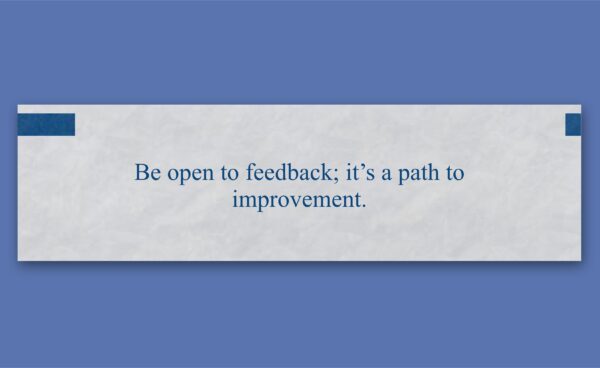
“Be open to feedback; it’s a path to improvement.”
It’s a reminder that feels especially relevant for writers and illustrators, because growth rarely happens in isolation.
So how, exactly, does feedback help you improve? And why is it worth embracing, even when it feels uncomfortable?
1. The Power of Feedback: A Hidden Gem
When you pour your heart into writing or illustration, it’s natural to feel protective of what you’ve created. You’ve watched your idea grow from that first keystroke or sketch into something tangible. That emotional investment is part of the creative process, but it can also make it harder to see what needs refining.
That’s where feedback becomes invaluable.
Feedback, whether encouraging or constructive, offers a fresh perspective. When you’re deep in a project, it’s easy to miss pacing issues, clarity gaps, or visual imbalances. A thoughtful outside view helps illuminate blind spots you may not even realize are there.
Being open to feedback doesn’t diminish your work. It strengthens it.
2. Why Feedback Feels Uncomfortable (and Why It’s Worth It)
Let’s be honest: receiving feedback isn’t always easy. Sometimes it stings—especially when it feels like your hard work is being picked apart. But discomfort is often a sign that growth is happening.
Think of it like building muscle. At first, lifting weights feels awkward and challenging. Over time, though, that resistance makes you stronger. Feedback works the same way. It may feel uncomfortable at first, but learning to sit with it and learn from it builds creative resilience.
Every critique, no matter how small, can become a stepping stone toward improvement if you’re willing to engage with it.

3. How Feedback Strengthens Your Writing
As a writer, your goal is to communicate clearly and effectively. But readers don’t always experience your words the way you intend them to. You can read your work aloud and revise endlessly—and you should—but what sounds right to you may still feel off to someone else.
I read my manuscripts aloud often, and even then, feedback regularly shows me what I’ve missed.
This is where critique becomes essential. It helps you see how your writing lands with real readers.
Feedback can help writers improve by highlighting:
- Structure and Flow: Readers may notice pacing that feels rushed or drags, helping you adjust for better momentum.
- Character Development: Outside perspectives can reveal where characters feel flat or underdeveloped.
- Clarity and Language: Feedback often points out confusing phrasing, unnecessary jargon, or sentences that need simplification.
Each insight moves your work closer to what you intended it to be.
4. Feedback in Illustration: Seeing Through New Eyes
Illustration presents a unique challenge because art is subjective. What resonates with one viewer may not connect with another at all. That’s exactly why feedback is so important, especially when your work is meant for a broader audience.
A fresh set of eyes can help you evaluate:
- Composition and Balance: Someone else may notice visual weight or imbalance you’ve overlooked.
- Color Palette: Feedback can reveal opportunities to improve harmony or contrast.
- Visual Storytelling: Critique helps you determine whether emotion, mood, or narrative is coming through clearly.
You don’t have to agree with every comment, but each one gives you information you didn’t have before.
5. How to Handle Criticism Without Losing Confidence
One of the most important things to remember is this: feedback is not a personal attack. It’s simply one perspective on how your work might improve.
Before defensiveness kicks in, try these approaches:
- Stay Open-Minded: Listen with curiosity rather than judgment.
- Ask Questions: Clarifying feedback often leads to deeper insight.
- Give It Time: You don’t have to act immediately. Reflection creates clarity.
As the saying goes, “Time is the wisest counselor of all.” Distance often helps you see which feedback truly serves your vision.
Focus on growth, not perfection. No piece of work emerges fully formed, and it isn’t supposed to.
I’ve lost count of how many times I’ve revised a manuscript or redrawn a single line. Being your own worst critic is part of the process, but learning when to listen and when to let go is just as important.
6. Seeking Feedback: Where to Turn
While friends and family can be supportive, feedback from people who understand your craft is especially valuable.
Some meaningful places to find critique include:
- Writers’ Groups or Critique Circles: These provide consistent, constructive feedback in a supportive environment.
- Workshops and Classes: Many writing and illustrating organizations offer regular opportunities for expert critique.
- Online Communities: Platforms like DeviantArt or Scribophile allow you to connect with peers and share work.
- Professional Critiquers: Editors or mentors can offer in-depth, actionable guidance.
I meet monthly with my critique partners, Colleen and Irene, whom I met through the Buffalo-Niagara Children’s Writers and Illustrators group. In a creative world full of rejection, that kind of support is invaluable.
7. Turning Feedback Into Action
Feedback becomes truly powerful when you put it to use.
- Revise with Intention: Make targeted changes that align with your goals.
- Watch for Patterns: Repeated feedback points to areas worth strengthening.
- Celebrate Progress: Improvement isn’t always immediate—but it’s real.
One of my critique partners had an eagle eye for tense errors. Over time, I learned to spot them myself. That’s the long-term gift of good feedback: it teaches you how to grow independently.
8. A Creative Journey Fueled by Feedback
In creative work, there’s always room to grow, and feedback is the fuel that makes that growth possible.
So when critique comes your way, remember this week’s Fortune Cookie Friday reminder:
“Be open to feedback; it’s a path to improvement.”
Every suggestion, every moment of discomfort, and every revision is an opportunity to become a stronger writer or illustrator. Feedback isn’t something to fear. It’s something to value.
Your work doesn’t need to be perfect—it just needs to keep moving forward, one thoughtful step at a time.